Regulatory Compliance and Oversight Challenges
Complex Regulatory Frameworks
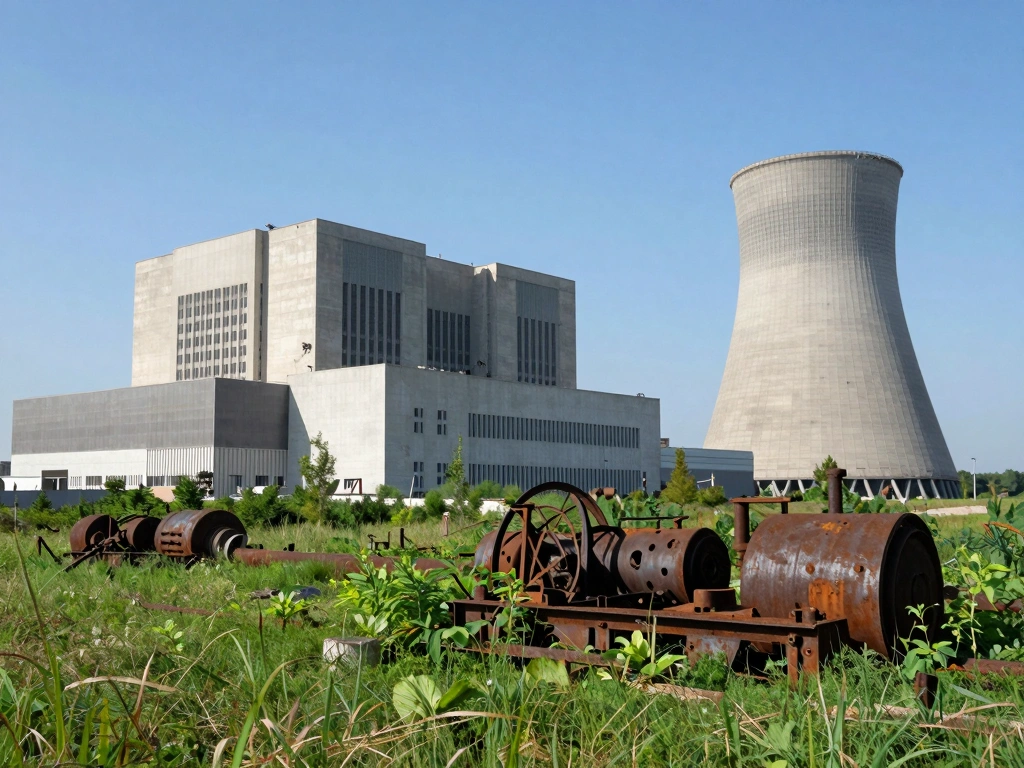
The decommissioning of nuclear power plants is governed by a complex web of regulations established by various governmental and international bodies. In the United States, the Nuclear Regulatory Commission (NRC) oversees the decommissioning process, which requires adherence to numerous federal, state, and local regulations. This regulatory framework ensures that safety and environmental standards are maintained throughout the decommissioning process. However, the intricate nature of these regulations can lead to significant delays.
For instance, the NRC's Decommissioning Planning Rule mandates that operators submit a detailed decommissioning plan, which must be approved before any dismantling can commence. The plan must address safety, environmental protection, and waste management strategies, necessitating extensive documentation and review. This multi-layered approval process is often time-consuming, contributing to the lengthy duration of decommissioning efforts.
Licensing and Permitting Delays
Obtaining the necessary licenses and permits for decommissioning activities can further extend the timeline. Each phase of decommissioning—from site preparation to demolition—requires specific licenses that must be obtained from regulatory bodies. For example, before any demolition can begin, a site must be thoroughly assessed for potential environmental impacts, and permits must be issued accordingly. These steps often involve public hearings and extensive environmental reviews, which can take years to complete.
Moreover, changes in regulatory policies or public opposition to the decommissioning process can create additional hurdles. For example, the decommissioning of the San Onofre Nuclear Generating Station in California faced delays due to disputes over waste management and environmental concerns, illustrating how regulatory challenges can prolong decommissioning efforts.
Environmental Impact Assessments
Environmental impact assessments (EIAs) are a critical part of the decommissioning process that can significantly extend timelines. These assessments evaluate the potential environmental effects of decommissioning activities and must be conducted before any major actions are taken. Given the sensitivity surrounding nuclear sites, EIAs often require comprehensive studies, including ecological surveys, groundwater testing, and assessments of local wildlife.
For example, the decommissioning of the Shoreham Nuclear Power Plant in New York involved detailed EIAs that took several years to complete. The findings from these assessments not only influenced the decommissioning timeline but also shaped the strategies employed to minimize environmental impact.
Technical and Engineering Considerations
Decommissioning Methods and Technologies
The choice of decommissioning methods significantly impacts the duration of the process. There are generally three approaches to decommissioning: immediate dismantling, delayed dismantling, and entombment. Each method has its own set of challenges and timelines. For instance, immediate dismantling involves the rapid removal of plant structures and systems, which can be labor-intensive and requires a well-coordinated effort. On the other hand, delayed dismantling allows for radioactive materials to decay over time, potentially making dismantling safer and easier but extending the overall timeline by decades.
The Humboldt Bay Power Plant in California opted for immediate dismantling, which took several years of meticulous planning and execution, demonstrating the complexity involved in the technical aspects of decommissioning.
Infrastructure and Equipment Removal
Removing infrastructure and equipment from a decommissioned nuclear plant is a highly technical process that requires specialized tools and safety measures. The decommissioning team must dismantle large structures, such as reactor buildings and containment vessels, which can take a considerable amount of time. For instance, the dismantling of the reactor pressure vessel requires careful planning, as it is often heavily contaminated and must be handled with extreme caution to prevent the release of radioactive materials.
The Fort Calhoun Station in Nebraska faced significant delays in equipment removal due to the complexities associated with handling radioactive components and the need for extensive safety protocols. This emphasizes that the technical intricacies of equipment removal directly influence the timeline of decommissioning projects.
Waste Management and Disposal Solutions
Waste management is a critical aspect of nuclear decommissioning that can lead to prolonged timelines. Decommissioning generates large quantities of radioactive waste that must be categorized, packaged, and transported to appropriate disposal facilities. The lack of a permanent disposal site for high-level nuclear waste, such as the proposed Yucca Mountain Repository, complicates the waste management process and can lead to significant delays in decommissioning timelines.
For example, the Crystal River Nuclear Plant in Florida encountered prolonged decommissioning timelines due to difficulties in managing and disposing of radioactive waste. This situation highlights how waste management issues can significantly extend the duration of the entire decommissioning process.
Financial Implications and Funding Issues
Cost Estimation and Budgeting Challenges
The financial implications of nuclear plant decommissioning are substantial and often unpredictable. Accurate cost estimation is crucial for ensuring that sufficient funds are available for the entire decommissioning process. However, the complexity and variability of decommissioning activities make precise budgeting challenging. For instance, costs can fluctuate due to changes in regulatory requirements, unexpected site conditions, or technological advancements.
The Ginna Nuclear Power Plant in New York experienced rising costs associated with its decommissioning due to unforeseen site conditions and the need for additional safety measures. Such financial uncertainties can lead to prolonged timelines as operators must secure additional funding or adjust their decommissioning strategies accordingly.
Funding Sources and Financial Assurance
Securing funding for decommissioning activities is crucial but can be fraught with challenges. Many nuclear plants are required to establish decommissioning funds during their operational phases to cover future decommissioning costs. However, these funds may not always be sufficient, leading operators to seek additional financial assurance. This process can be lengthy and may involve negotiations with state regulators, which can further delay the decommissioning timeline.
For example, the Indian Point Energy Center in New York faced financial challenges related to its decommissioning fund, which required extensive negotiations and adjustments to the decommissioning timeline.
Economic Impact on Local Communities
The economic implications of nuclear decommissioning extend beyond the plants themselves, affecting local communities and economies. As decommissioning projects can take decades, local economies often lose a significant source of revenue, impacting jobs and local businesses. This economic uncertainty can lead to public opposition to decommissioning efforts, further complicating the process and extending timelines.
The San Onofre Nuclear Generating Station, for instance, significantly impacted the local economy in Southern California due to the prolonged decommissioning process and the loss of jobs associated with the plant's operation.
Public Safety and Health Concerns
Radiation Safety Protocols
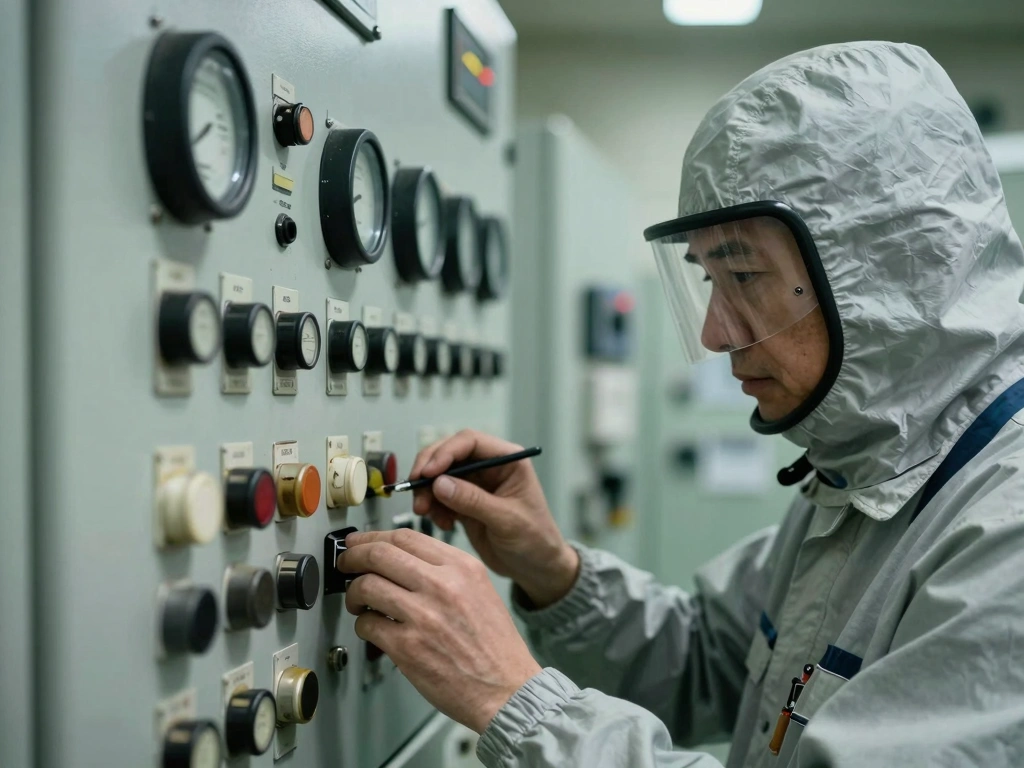
Public safety and health concerns are paramount during nuclear plant decommissioning. Regulatory bodies impose strict radiation safety protocols to protect workers and the surrounding community. These protocols dictate how decommissioning activities should be conducted to minimize radiation exposure. Compliance with these safety standards can extend timelines, as operators must meticulously follow procedures and conduct regular monitoring and assessments.
The decommissioning of the Three Mile Island Nuclear Generating Station in Pennsylvania highlighted the importance of radiation safety protocols. The lengthy process was influenced by the need to ensure that all safety measures were thoroughly implemented, thereby prolonging the decommissioning timeline.
Worker Safety Regulations
Ensuring the safety of workers involved in the decommissioning process is another critical aspect that can add time to the overall timeline. Workers must be trained and equipped to handle hazardous materials safely, and regulatory compliance requires extensive safety measures to mitigate risks. These safety protocols can lead to additional planning and execution time, thus extending the decommissioning process.
At the Calvert Cliffs Nuclear Power Plant in Maryland, worker safety regulations necessitated the implementation of rigorous safety training and monitoring programs, contributing to the extended timeline of the decommissioning process.
Community Engagement and Communication
Effective community engagement and communication are essential during the decommissioning process. Stakeholders, including local residents and advocacy groups, often have concerns regarding safety, environmental impact, and economic implications. Addressing these concerns requires open dialogue and transparency, which can take substantial time and effort. Engaging with the community can lead to delays, especially if public opposition arises.
The decommissioning of the Fort Calhoun Station involved extensive community outreach to address local concerns, which added time to the overall timeline as operators worked to build trust and ensure public safety.
Historical Precedents and Case Studies
Lessons from Past Decommissioning Projects
Historical precedents in nuclear decommissioning can provide valuable insights into the challenges and timelines associated with these projects. For example, the decommissioning of the Zion Nuclear Power Station in Illinois took over a decade to complete due to a combination of regulatory hurdles, waste management issues, and financial constraints. The lessons learned from this project highlight the importance of thorough planning and adaptability in addressing the unique challenges of each decommissioning effort.
Comparative Analysis of Domestic and International Cases
Comparing domestic and international decommissioning projects reveals varying timelines and methodologies. For instance, the decommissioning of the Sellafield site in the United Kingdom has spanned several decades, primarily due to stringent regulatory frameworks and the complexities of managing radioactive waste. In contrast, the decommissioning of the Brunswick Nuclear Plant in North Carolina has progressed more rapidly, showcasing the impact of differing regulatory environments and technological approaches on decommissioning timelines.
Influence of Technological Advances on Timelines
The evolution of technology has had a significant influence on nuclear decommissioning timelines. Innovations in remote monitoring, robotics, and waste management technologies have the potential to streamline decommissioning processes. For instance, the use of remote-controlled demolition tools can reduce exposure risks and enhance efficiency in dismantling operations. However, the integration of new technologies also requires time for testing, training, and regulatory approval, which can offset potential time savings.
The decommissioning of the Fukushima Daiichi Nuclear Power Plant in Japan illustrates how advancements in technology can impact timelines. The use of advanced robotics and remote monitoring systems has enabled more effective management of hazardous materials, although the complexities of the situation have still resulted in a lengthy decommissioning process expected to take decades.